

 BeforeAfter
P1 · 3 months post · Melanocytes Transplant in Delhi
Doctor-led melanocytes transplant in Delhi at Care Well Medical Centre, South Delhi.
Snapshot
Typical guidance — your plan is confirmed after consultation.
Visit us
Address
Care Well Medical Centre, Chittaranjan Park, South Delhi 110019
Hours
Mon–Sun · 10:00 AM – 7:00 PM
Phone
+91 9667977499Overview


Process
Results
BeforeAfterP1 · 3 months post · Melanocytes Transplant in Delhi
Images shared with patient consent. Individual results vary.
Eligibility
Benefits
Before treatment
Recovery
Follow dressing and activity guidance
Attend scheduled follow-ups
Results settle over the healing timeline discussed in consult
Safety
Why Care Well
Clinical fit
Pricing
Typical range
Custom quote after assessment
What affects cost
Discussed before treatment
EMI
Tenure (months)
Cost snapshot
Assessment
Free consult
Clinical plan discussion
Quote
Personalized
Based on your case
EMI
Surgeon
Senior cosmetic & aesthetic surgeon · Care Well Medical Centre, Delhi
Dr. Sandeep Bhasin leads melanocytes transplant in Delhi care at Care Well with a focus on safety and natural-looking outcomes.
Watch
EMI options may be available — ask during consultation.
Get Personalized QuoteAvailable*
Ask at consultation
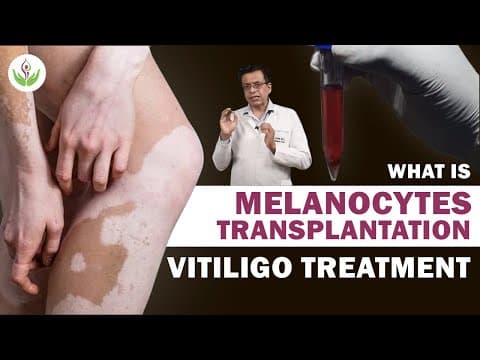
Melanocytes Transplant in Delhi story (opens on YouTube)
FAQs
The ideal candidate for melanocyte transplantation will be patients who for one year have had stable. Patients who suffer from vitiligo should fulfill the following criteria to be eligible for melanocyte transplantation Existing patches should remain the same and not have increased in size. No occurrence of new patches to appear on other areas. If the patient has suffered a new injury it should heal with normal skin color. The whole process is divided into three main categories of patients eligible to have melanocyte transplantation but the selection of individual patients will depend upon assessment by the doctor Segmental vitiligo Generalized vitiligo – Affected area < 20% Leukoderma- Piebaldism, post-burn leukoderma
The cost of the treatment varies on how complicated it is and what needs to be changed to fix it. The average price of a Melanocyte Transplantation would be between Rs. 35,000 and Rs. 1 lakh ($514.589 and $1470.25). Dr. Sandeep Bhasin, a cosmetic surgeon, does the surgery at Care Well Medical Centre for a very low price and gets the best results.
During the procedure, local anesthesia is given but in the case of many patches general anesthesia could be used.
Yes, re-pigmentation can be done in one sitting, but not for all patients. For better results, some patients need to have surgery more than once.
After you leave the hospital, the dressing will stay on for a week. For easy healing, you would be given very strict directions to follow. After a week, the doctor will take off the bandage. The skin will look bright red, and repigmentation will begin. It takes 4 to 8 weeks, and after 4 to 6 months, you’ll see the full effects.
The procedure can last anywhere between one to three hours.
Yes patient could experience post operative pain but it depends upon the areas treated.
There could be some scarring and surgery may cause new lesions but that is rare. There is always a possibility of bacterial infection which can be stopped with oral antibiotics. Color mismatch. We at Care Well Medical Centre have had a lot of success with Melanocyte Transplantation because it is not very hard on the patient since this is an outpatient procedure after the anesthesia has worn off. Also, a large area of the affected area can be treated in one operative session, and just from a small piece of normal skin, it is possible to treat a large affected area with minimal or no side effects.
In contrast to the non-culture method, which only treats a smaller portion of the affected area, this technique isolates melanocytes from the healthy human epidermis, cultures them in a medium, and then transplants them into the recipient’s affected zone.
Yes, it is a relatively successful procedure about 50% of the patients show good responses. Although it has been noticed that certain body parts such as the fingers, knees, and elbows offer less successful rates than other affected body areas.
No, the procedure is absolutely pain-free since the area to be treated is put under local anaesthesia making the skin sensationless. It is one of the safest and most commonly used techniques to tackle vitiligo.
Melanocyte keratinocyte transplant procedure (MKTP) involves separating the epidermis from a graft and distributing them throughout the discolored recipient area. The procedure is short and takes up to 1-2 hours.
Yes, melanocytes can regenerate by 80% after melanocyte transplantation is performed. There are enough scientific studies that back up the information. Through this treatment, the pigment of the discolored area can be brought back since the success rate is high.
The purpose of melanocytes is to produce a body pigment known as melanin. If melanin is generated in inadequate fewer amounts it can result in vitiligo, as there is less body colorant to equally distribute throughout the body.
To increase melanocytes h naturally it is best to consume a diet that is rich in antioxidants. Include foods such as citrus, berries, leafy green vegetables, etc. Medically melanocytes can be increased through medication or melanocyte transplants.
If you lack melanocytes it can result in vitiligo. When these cells lack in the body less melanin is produced due to which white patches occur on different parts of the body.
Melanocytes produce the pigment melanin. Your body has these cells in a variety of places, such as your hair, hypodermis, iris and pupil, medulla and zona reticularis of the adrenal gland, the substantia nigra and locus coeruleus, and the stria vascularis of the cochlear duct.
Melanin is so powerful because it is one of the most important body pigments that give colour to your body ranging from your hair to your eyes. It also helps to fight the harmful UV radiation of the sun.
Melanin is naturally produced by melanocytes in the body at different sites such as the eyes, hypodermis, adrenal gland, etc. It helps to protect the skin against sun and skin cancer.
Foods rich in copper, iron and vitamins are considered the best source of melanin. Some of these foods include crabmeat, almonds, lentils, peanuts, beef liver, white mushrooms etc.
Anterior Thigh Liposuction in Delhi – Naturally Sculpt & Transform Your Thighs
Anterior Thigh Liposuction in Delhi removes stubborn thigh fat safely. Get toned legs with lasting results. Check cost, recovery, and photos.
Hyperbaric Oxygen Therapy (HBOT)
You may have heard about Hyperbaric Oxygen Therapy from your doctor, surgeon, physiotherapist, or someone who has already taken the treatment. You may also have questions. Will HBOT help your […]


